

%20(2).svg)

NEW: EP-200N AMC Edge SoM.
Powered by NXP® i.MX 95, delivering secure, safe and reliable connectivity for industrial and medical applications.
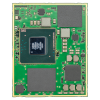
Powered by NXP® i.MX 95, delivering secure, safe and reliable connectivity for industrial and medical applications.
This case study explores how RICOH PFU COMPUTING Co., Ltd. addressed persistent manufacturing challenges, frequent layout changes, complex cabling, and limited workspace, by integrating wireless networking into its RICOH SC‑20 work inspection camera. By adopting an embedded Wi‑Fi® and Bluetooth® solution, the company achieved greater flexibility, reduced installation effort, and improved productivity on the factory floor.
Company: RICOH PFU COMPUTING Co., Ltd.
Headquarters: Japan
Silex Modules Used:
Product Overview
Work Inspection Camera: RICOH SC‑20
The RICOH SC‑20 was developed under the concept of “real‑time monitoring of manual operations in factories.” Rather than inspecting finished products, the system monitors the assembly process itself, significantly improving operational accuracy and product quality.
Manufacturing environments frequently undergo layout changes. Traditional wired systems require extensive effort to reroute or extend cables, increasing downtime and installation costs.
Additional challenges included:
RICOH PFU COMPUTING Co., Ltd selected Silex’s Embedded Wireless LAN Module to address these challenges.
Key Reasons for Selection:
Results and Benefits:
The integrated wireless solution delivered measurable advantages:
Results and Market Feedback
Since launch, the RICOH SC‑20 has been well received by manufacturing customers seeking flexible, data‑driven inspection systems. The ability to capture both text and image data at the moment an error occurs has strengthened traceability and continuous improvement initiatives.
Sales, planning, and development teams continue to meet regularly to incorporate customer feedback and accelerate feature enhancements, including new compact sub‑camera options.
Future Outlook
RICOH PFU COMPUTING Co., Ltd plans to expand visualization, analytics, and AI‑driven capabilities to further improve inspection accuracy and usability. Continuous training and validation of AI models will ensure reliability as manufacturing requirements evolve.
Wireless connectivity and data utilization are expected to play an increasingly central role in next‑generation factory automation.
Conclusion
By integrating wireless networking into the RICOH SC‑20, RICOH PFU COMPUTING Co., Ltd achieved a more flexible, scalable, and future‑ready inspection platform. The solution reduces wiring complexity, supports rapid layout changes, and enables advanced traceability and analytics, delivering clear value to modern manufacturing environments.
Read the full case study below:
