

%20(2).svg)

Posted by Sarah Torjman, August 5, 2026
How to Evaluate an Edge AI SoM Before Design
As edge AI adoption continues to grow, engineers are increasingly evaluating System-on-Module (SoM) platforms to accelerate the development of intelligent embedded devices. A SoM can help reduce hardware design effort by integrating key computing components into a compact module, but selecting the right platform requires more than comparing processor specifications.
Before moving into a production design, engineers need to evaluate processing capabilities, software support, hardware interfaces, connectivity options, and development resources to ensure the platform aligns with their application requirements.
A comprehensive Edge AI SoM evaluation platform allows development teams to explore system capabilities, run sample applications, and better understand the path from initial evaluation to product development.
Here are five key considerations when evaluating an Edge AI System-on-Module.
1. Evaluate AI Processing and Application Capabilities
One of the first steps in evaluating an Edge AI SoM is understanding how the platform supports the intended workloads.
Edge AI applications increasingly require local processing capabilities for tasks such as image analysis, machine learning inference, and intelligent decision-making. Engineers should evaluate:
- Processor architecture and performance
- AI/ML capabilities
- Software framework support
- Available sample applications
- Real-world application workflows
Running AI applications directly on an evaluation platform provides valuable insight into how the system supports development requirements before moving into a custom product design.
2. Review Hardware Interfaces and Expansion Options
A System-on-Module is designed to simplify embedded development by integrating core computing functions into a compact form factor. However, engineers still need to confirm that the platform supports the interfaces required for their application.
When evaluating an embedded AI platform, consider available interfaces such as:
- Camera interfaces
- Display interfaces
- Ethernet
- Wireless connectivity
- Serial debug access
- Expansion connectors
A well-designed SoM evaluation kit allows engineers to explore peripherals and system configurations early in the development process, helping identify integration requirements before production.
3. Evaluate Software Support and Development Resources
Hardware capability is only one part of successful embedded development. Software support can have a significant impact on development effort and time to market.
Engineers evaluating an Edge AI SoM should consider:
- Linux support
- Software development tools
- Firmware availability
- Board Support Package (BSP) compatibility
- Sample applications
- Technical documentation
Access to software resources and development tools helps engineers understand how quickly they can begin evaluating the platform and developing applications.
4. Test Real Applications Before Production
A strong Edge AI evaluation platform should allow engineers to explore workloads that align with their final product requirements.
Evaluation workflows may include:
- Multimedia applications
- AI/ML sample applications
- Camera integration
- Wireless connectivity evaluation
- System configuration
Testing real applications early helps engineers better understand system requirements and identify software or hardware considerations before moving into production development.
5. Choose an Evaluation Platform with Complete Documentation
Documentation plays an important role in the success of an SoM evaluation process. A complete evaluation resource should provide guidance for hardware setup, software configuration, application testing, and future development.
Engineers should look for evaluation documentation that includes:
- Required hardware and accessories
- Initial setup instructions
- Firmware configuration
- Network configuration
- Sample application guidance
- Connector information
- Development resources
Clear documentation helps shorten the learning curve and allows development teams to move more efficiently from evaluation to implementation.
Moving from Edge AI Evaluation to Product Development
Selecting an Edge AI System-on-Module is an important decision that can influence product development, software integration, and future scalability. Evaluating the platform early helps engineers understand system capabilities, explore available resources, and identify integration requirements before moving into production design.
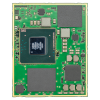
The EP-200Q, enabled by the Qualcomm Dragonwing™ QCS6490, is an AMC Edge SoM designed for on-device AI applications. The EP-200Q-EVK provides a development and prototyping environment with pre-installed firmware based on the Qualcomm Intelligent Multimedia SDK, along with tools and sample applications to help engineers evaluate platform capabilities.
Developers can explore multimedia processing, AI/ML applications, connectivity, and system functionality while using the included documentation to guide the evaluation process.
Start Your EP-200Q Evaluation
Ready to evaluate an Edge AI SoM? Request access to the EP-200Q-EVK User Guide to explore hardware setup, firmware configuration, multimedia and AI/ML sample applications, and development resources.